40 how to read food labels canada
How to Understand and Use the Nutrition Facts Label | FDA When looking at the Nutrition Facts label, first take a look at the number of servings in the package (servings per container) and the serving size. Serving sizes are standardized to make it easier... How to Read Food Labels Without Being Tricked - Healthline Still, processed foods that are labeled low-carb are usually still processed junk foods, similar to processed low-fat foods. Made with whole grains. The product may contain very little whole ...
en.wikipedia.org › wiki › List_of_food_labelingList of food labeling regulations - Wikipedia Food Allergen Declaration FALCPA; By region. FAO GM Foods Platform; Food Administration; Asia India. Food Safety and Standards Authority of India; Thailand. Phuket: "Yellow flag" for vegetarian food during ‘ngan kin jeh’ vegetarian festival; North America Canada. Food and Drugs Act; Monsanto Canada Inc v Schmeiser; Mexico

How to read food labels canada
inspection.canada.ca › food-labels › labellingDate labelling on pre-packaged foods - Canadian Food ... Food safety once a food has passed the best-before date. Best-before dates are not indicators of food safety, neither before nor after the date. You can buy and eat foods after the best-before date has passed. However, when this date has passed, the food may lose some of its freshness and flavour, or its texture may have changed. Understanding a food label - Canadian Food Inspection Agency These key labelling elements are: the Nutrition Facts Table, list of ingredients, allergen statements - especially if you or someone you know has food allergies - and date marking information, such as best before dates. Nutrition Facts Table List of Ingredients Allergen Declarations and Gluten Sources Date Marking How to read food labels: MedlinePlus Medical Encyclopedia Always check the serving size first. All the information on the label is based on the serving size. Many packages contain more than 1 serving. For example, the serving size for spaghetti is most often 2 ounces (56 grams) uncooked, or 1 cup (0.24 liters) cooked. If you eat 2 cups (0.48 liters) at a meal, you are eating 2 servings.
How to read food labels canada. About food labels - Canada.ca By law, most packaged food must be labelled with: a nutrition facts table, which gives you information on: serving size. calories. nutrients. percent daily values (% DV) an ingredient list, which lists all the ingredients in a food by weight. this begins with the ingredient that weighs the most and ends with the ingredient that weighs the least. inspection.canada.ca › food-labels › labellingList of ingredients and allergens on food labels - Canadian ... Health Canada and the CFIA encourage food manufacturers and importers to use the title "May contain:" or "May contain" to introduce the cross-contamination statement on food labels. If a title is used, it must appear in bold when the statement appears on the same line as the ingredient list or the "food allergen source, gluten and added ... Food labels - Canada.ca Technical documents Documents for industry that outline rules for specific labelling requirements. Understanding food labels About nutrition facts tables, serving size, the list of ingredients, percent daily value and nutrition claims. Food label requirements Industry Labelling Tool for Canadian food inspectors and stakeholders. Reading food labels shouldn't be complicated. Here's how to understand ... Here's how to understand Canada's new nutrition labels. Leslie Beck. Special to The Globe and Mail. Published July 11, 2022Updated July 12, 2022. The Nutrition Facts table.
How to read food date labels and packaging - Canada.ca The "best before" date must be identified using the words "best before" and "meilleure avant" together with the date. These can appear anywhere on a package -- and if on the bottom, that placement should be indicated elsewhere on the label. The month of expiration must be in both official languages or indicated by using specified bilingual symbols. How To Read Nutrition Labels (Canada) - YouTube In this video, I cover how to read nutrition labels (Canada.) Nutrition labels can look like complicated algebra but are really simple once broken down into ... How To Read Food and Beverage Labels - National Institute on Aging At the top of the Nutrition Facts label, you will find the total number of servings in the container and the food or beverage's serving size. The serving size on the label is based on the amount of food that people may typically eat at one time and is not a recommendation of how much to eat. Read more about serving and portion sizes. PDF Using the Nutrition Facts Table: % Daily Value - canada.ca Use the amount of food and the % Daily Value (% DV) to choose healthier food products. Follow these three steps: LOOK at the amount of food Nutrition Facts are based on a specific amount of food (also known as the serving size). Compare this to the amount you actually eat. READ the % DV The % DV helps you see if a specific amount of food
How to read a food label - concordia.ca To do this, multiply the grams of fat by nine (there are nine calories per gram of fat), divide that number by the total calories and then multiply by 100. For the nut bar example, the percent of calories from fat = [ (9 x 9) / 70] x 100 = 48%. Almost half of the nut bar's calories come from fat. Nutrition labels: Finding out about the food you eat - AboutKidsHealth How to read a label Serving size All information on the nutrition label is based on a specific amount of food, referred to as the serving size. The serving size allows you to: understand how much of a nutrient you are eating compare nutrients and calories between two similar food products PDF Label Reading the Healthy Way - Alberta Health Services Choose fewer processed and packaged foods. Look for unsalted, low salt, and no-added salt foods. Read ingredient lists on packages. Limit foods with salt, sodium, or soda as one of the first 3 ingredients. Compare brands. Choose foods with 15% or less DV for sodium. Fats Fats found in food can be unsaturated, saturated, or trans fats. Understanding Food Labels in Canada - Unlock Food Understanding Food Labels in Canada Nutrition labelling became mandatory in Canada in 2007 on all prepackaged foods. Since then, nutrition and ingredient information has been listed on the food label. They have been designed to be easy to find, simple to read and to allow Canadians to make informed food choices. What information is on a food label?
Knit Jones: Half Bath Remodel....Day 1
Reading Food Labels | ADA - American Diabetes Association The Nutrition Facts labels on foods are really the key to making the best choices. We'll cover the basics so that these labels make shopping easier for you. Get started. Understanding Carbs. You've heard it all. From carb-free to low-carb, to whole and empty carbs, it's hard to know what it all means. Learn more.

What to Look for on Current Nutrition Labels - Dietetic Directions - Dietitian and Nutritionist ...
PDF How to Read Food Laels & Understand Anada'S Food Guide anada's Food Guide provides many tips to help you buy the healthiest choices from each of the food groups. Reading labels can help you decide which products are best for you. All the information on the Nutrition Facts is based on a specific amount of food. You can use the Nutrition Facts table to: Compare products more easily.
/pblinitiative/images/image-ID-35f28dee-0d6b-4427-e5c6-bf7e16bc61a0.png)
A Guide to Food Label Reading
food-guide.canada.caCanada's Food Guide Find our healthy eating recommendations, food guide kitchen, tips, resources and more.

Knit Jones: Baby Pics
PDF CANADA'S NEW FOOD LABELLING REGULATIONS - ESHA Research Health Canada has finalized changes to the Nutrition Facts tables and list of ingredients for packaged foods. Manufacturers have a five-year compliance period, which started Dec. 14, 2016, and during that time both pre-existing and new Nutrition Facts tables will be seen on grocery store shelves. This eBook summarizes these changes. 3
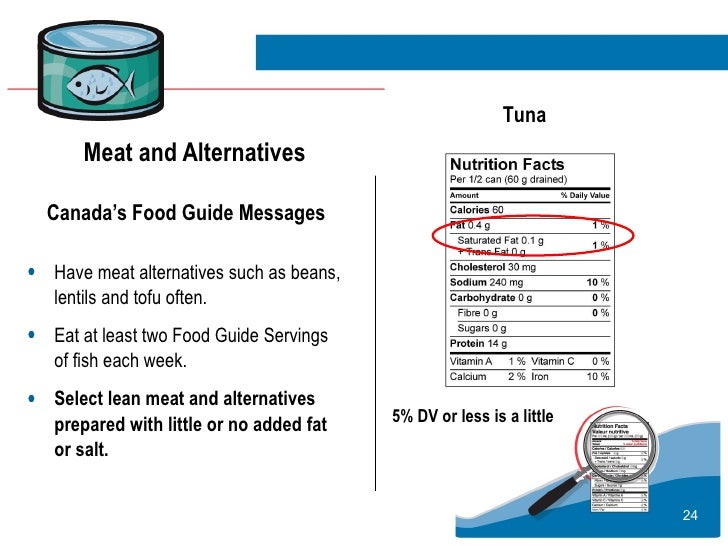
How To Read Food Labels
Food labelling for consumers - Canadian Food Inspection Agency Consumers can use food labels to make more informed choices about the food they purchase. Both Health Canada and the Canadian Food Inspection Agency (CFIA) provide direction on food labelling in Canada. In this section you will learn how to read a food label, and receive information on certain parts of the label, including best before dates and ...

Knit Jones: S's Seamless Hybrid Sweater
Food Labels | HealthLink BC Organic Foods In Canada, any food that is labelled as organic is regulated by the Canadian Food Inspection Agency. Foods that carry the Canadian Organic Logo must meet the Canadian Organic Standards. These standards provide guidelines for growing food, including limits on the types of pesticides, fertilizers, antibiotics and hormones.

HOW TO READ FOOD LABELS
connect.ecolab.com › s › foodsafetyFood Safety Home FREE SHIPPING on your entire Food Safety Solutions order. Use Promo code F6002 at checkout. Applies only to ground and domestic orders. Offer ends 6/30/22.
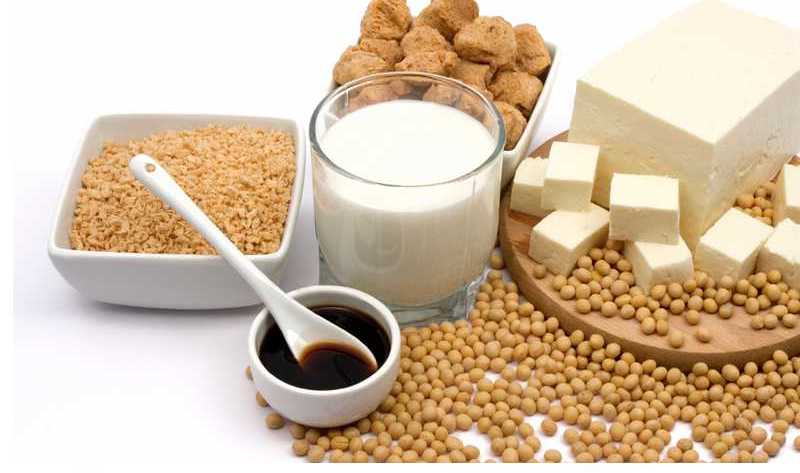
Soy - Food Allergy Canada
Use food labels - Canada's Food Guide Food labels provide information you can use to make informed choices about foods and drinks at the grocery store and at home. Food labels can help you: compare and choose products more easily know what ingredients a food product contains choose products with a little or a lot of the nutrients that are of interest to you Changes to food labels

Buffet Sign-Buffet Food Sign-Buffet Cards-Buffet Signage-Food
› understanding-food-labelsUnderstanding food labels - Canada.ca Food labels, nutrition facts tables, serving size, ingredients, % daily value, nutrition claims.

How to read food labels? - Sweetashoney
Most Canadians don't understand food nutrition labels How simplifying and standardizing food labels can help with better food choices. ... Canadians want easier-to-read labels, more legible fonts, simpler terms and the use of colours and symbols. ... Mélanie Meloche-Holubowski is a journalist intern for EvidenceNetwork.ca and is a webmaster and journalist for Radio-Canada in Montreal. January 2015.

Knit Jones: Mulch Pre and Post
Reading food labels - Food Allergy Canada Choose a few food packages from your kitchen cupboards and read the labels carefully. This is an easy way to practice label reading. Remember to look for precautionary statements on the package. Give yourself more time for grocery shopping so you can read food labels carefully.
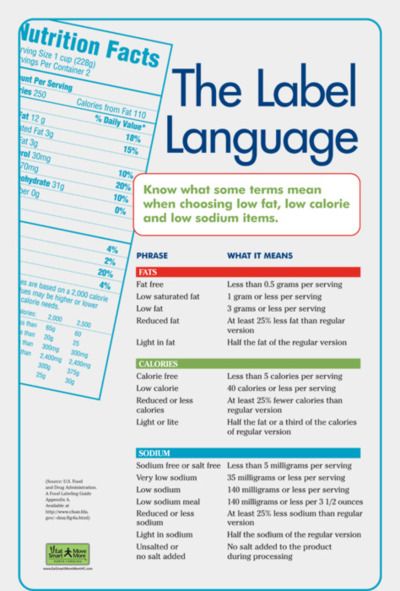
Why Read Food Labels | Universal Health Products
› en › health-canadaFood labelling changes - Canada.ca Learn how to use information on the food label to better understand the amount of sweeteners in your food. Changes to the list of ingredients. Read about the changes to the list of ingredients which will make it easier to read and understand. Front-of-package nutrition labelling

Watch How To Read Food Labels | Prime Video
Nutrition Labelling - Canada.ca Nutrition labelling is information found on the labels of prepackaged foods. The legislated information includes: The Nutrition Facts table The ingredient list Some optional nutrition claims These give you information about the nutritional value of a food. You can use this information to make healthier food choices and achieve overall good health.

How To Read A Food Label | HuffPost UK
Health Canada answers your questions about food labels, allergens and ... The government of Canada has 10 Priority Allergens in labelling. Can you explain what this means? Health Canada: Health Canada typically refers to the following as the "ten priority allergens": eggs, milk, mustard, peanuts, seafood, sesame, soy, sulphites, tree nuts, and wheat. Seafood refers collectively to fish, crustaceans and shellfish.
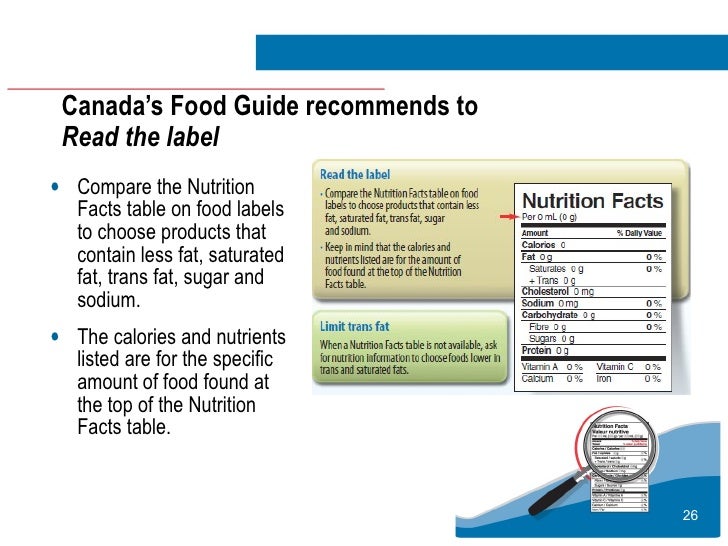
How To Read Food Labels
Your Complete Guide to Reading Food Labels - Best Health Located directly under the "Nutrition Facts" title at the top of the label, it's a great way to track the amount of fat, calories and nutrients you're consuming. Compare the specific amount of food displayed on the label to the amount you are actually consuming; these amounts can vary greatly, to multiply accordingly. % Daily Value
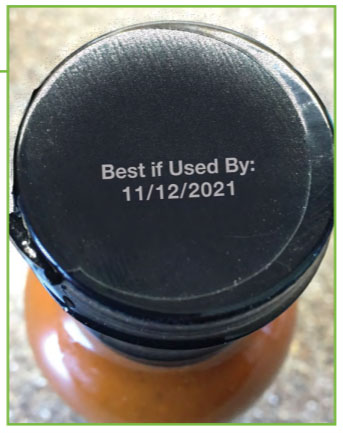
How to Read Food Labels | PA Nutrition Education Network
How to Read Nutrition Labels Like a Pro - Reader's Digest Canada How to Read Nutrition Labels in Canada, Line by Line Serving Size When it comes to learning how to read nutrition labels, the first place to look is the serving size. Located directly under the "Nutrition Facts" title at the top of the list, it displays the amount of fat, calories and nutrients you're consuming.

A Complete Guide to Reading Food Labels | TheThirty
How to read food labels: MedlinePlus Medical Encyclopedia Always check the serving size first. All the information on the label is based on the serving size. Many packages contain more than 1 serving. For example, the serving size for spaghetti is most often 2 ounces (56 grams) uncooked, or 1 cup (0.24 liters) cooked. If you eat 2 cups (0.48 liters) at a meal, you are eating 2 servings.

Knit Jones: Bathroom Reno Day #1...in pictures
Understanding a food label - Canadian Food Inspection Agency These key labelling elements are: the Nutrition Facts Table, list of ingredients, allergen statements - especially if you or someone you know has food allergies - and date marking information, such as best before dates. Nutrition Facts Table List of Ingredients Allergen Declarations and Gluten Sources Date Marking
Post a Comment for "40 how to read food labels canada"