39 how to read australian food labels
Understanding Food Labels | WW Australia - Weight Watchers It's okay to eat the product after this date, but some of the quality of the food may be reduced. Foods that should not be consumed after a certain date for health and safety reasons, such as meat and dairy, must carry a 'use-by' date. You shouldn't eat any food that is past its 'use-by' date. Some foods such as bread carry a 'baked on ... How to read food labels in Australia: Find nasties and real nutritional ... My advice for reading food labels is to look at the 'per 100g' values, as 'per serve' can often be misleading if you're likely to eat more than the suggested serving size. The 'per 100g' column is also the most useful for comparing products to assess their sugar, protein, sodium and fat content.
How to read food labels | healthdirect The label will tell you: the name of the product, describing accurately what it is the brand name what ingredients it contains (listed in order from largest to smallest by weight) nutritional information (such as average amount of energy, fat, protein, sugars and salt)

How to read australian food labels
Reading food labels - Food Allergy Education How to read food labels that meet the new PEAL law Under the new PEAL law, common food allergens are to be listed with the plain English name alongside the actual ingredient name. This is shown in the label example below. In the statement of ingredients, declarations must: Be in bold font. Have bold font contrasting distinctly with other text. Food labelling FAQs | ACCC The Country of Origin Food Labelling Information Standard (Standard) commenced on 1 July 2016. The Standard establishes a new system for the country of origin labelling of food products sold in Australia. Businesses have up to two years to transition to the labelling requirements set out in the Standard. During the transition period, businesses ... Understanding food labels fact sheet - NDSS Food labels will typically include a nutrition information panel, list of ingredients, the 'use by' or 'best before' date and identify potential food allergens and additives. Food labels also tell you the amount of carbohydrates (carbs) you eat and drink. This can help you manage your blood glucose levels.
How to read australian food labels. Food labelling | NSW Food Authority Food labelling Food labelling All food sold in Australia must comply with the Australia New Zealand Food Standards Code for labelling. Sometimes there are other requirements too - for example, total weight and measure statements are regulated by the National Measurement Institute. Labelling - Food Standards The Food Standards Code includes the general labelling and information requirements (Chapter 1 of the Code) that are relevant to all foods, and sets out which requirements apply in different situations (for example food for retail sale, food for catering purposes, or an intra-company transfer). Food labels - Better Health Channel The food label will tell you all sorts of information, including: what the food is manufacturer's details nutrition information ingredients weights and measures of product date marking directions for use and storage country of origin allergens and additives any nutrition and health claims. What's on a food label | NSW Food Authority How to read a label What's on a food label What's on a food label Food name The name of a food must be sufficient to indicate its true nature. For example, 'fruit yoghurt' should contain fruit. If it is fruit flavouring, the product should say 'fruit flavoured yoghurt'. For more visit FSANZ.
PDF Reading food labels - Queensland Health Reading food labels . Understanding how to read food labels can help you make healthy food choices. Food Standards Australia and New Zealand (FSANZ) regulates food labelling in Australia. Most packaged food and drink must have a nutrition information panel. Exceptions include those in very small packages, some baked products and take-away food ... Your easy guide to reading and understanding food labels Found on food packets, this displays the amount per 100g (or 100mL if liquid) and per serve of energy (kilojoules), protein, total fat, saturated fat, total carbohydrate, sugar and sodium (salt) in the food. Some panels also display other nutrients such as fibre or calcium. Labelling poster - how to read food labels This interactive resource explains the food labelling requirements set out in the Food Standards Code and what that information means. Click on the numbers to find out more about food labelling. A useful poster is also available. You can download a copy here (PDF 372KB), or for a printed A2 version please email information@foodstandards.gov.au. Food label reading guide | Nutrition Australia The Health Star Rating is a front of pack labelling scheme which can be used to make healthier food choices at a glance. The rating range is from ½ - 5 stars and the more stars, the healthier the choice. Recommended minimum star ratings for food and drink categories Remember: Reading food labels can help us make healthy choices.
Understanding Nutritional Labelling | Uncle Tobys If one has just 1½ stars and the other has 4 stars, the 4 stars one is the healthier option. And Uncle Tobys has Australia's largest range of 4 star muesli bars. If you're choosing a breakfast cereal, compare the number of stars on the labels of products within the breakfast aisle. All Uncle Tobys cereals have an HSR of 4 stars or more. How to read a food label - Healthy Kids Choosing foods in the supermarket can be difficult, so here's a handy guide to help you make decisions. Reading food labels & nutrition panel - Diabetes Queensland higher fibre. Every food label tells a story and the Nutrition Information Panel simply gives you the facts. Ingredients list records all food ingredients and additives in order from greatest to smallest amount by weight. Importantly, the ingredient list must declare if the product contains common allergens such as milk, eggs, nuts and gluten. Food labelling - Health.vic Food labels must carry essential information, so that consumers are informed of the nature and properties of foods before they buy. Food businesses must ensure that they do not mislead or deceive consumers with any claims made on food labels. Food importers must also comply with Australian labelling laws. All packaged foods sold in Australia ...
32 Food Label Requirements Australia - Labels 2021
How to Read Food Labels & Understand Nutrition Info Panel | Better ... Nutrition Australia states that 460-920g daily value of sodium is adequate for our health. That equates to 1.15-2.3g of salt per day. Excess salt consumption raises your blood pressure and hypertension is associated with a higher risk of stroke and heart disease. Keeping your intake to 4g of sodium per day or less is key.

Australia's getting new country of origin food labels - here's what they look like | Business ...
Reading food labels | Heart Foundation You're probably not eating enough fish - here's what you should do. Fish and seafood is one of the most beneficial sources of omega 3. Incorporating more of it into your eating pattern can significantly lower your chances of heart disease and stroke. ...

New food label laws good news for Australian printers | Labels & Labeling
How to understand food labels - Eat For Health The Nutrition Information Panel on a food label offers the simplest and easiest way to choose foods with less saturated fat, salt (sodium), added sugars and kilojoules, and more fibre. It can also be used to decide how large one serve of a food group choice or discretionary food would be and whether it's worth the kilojoules.
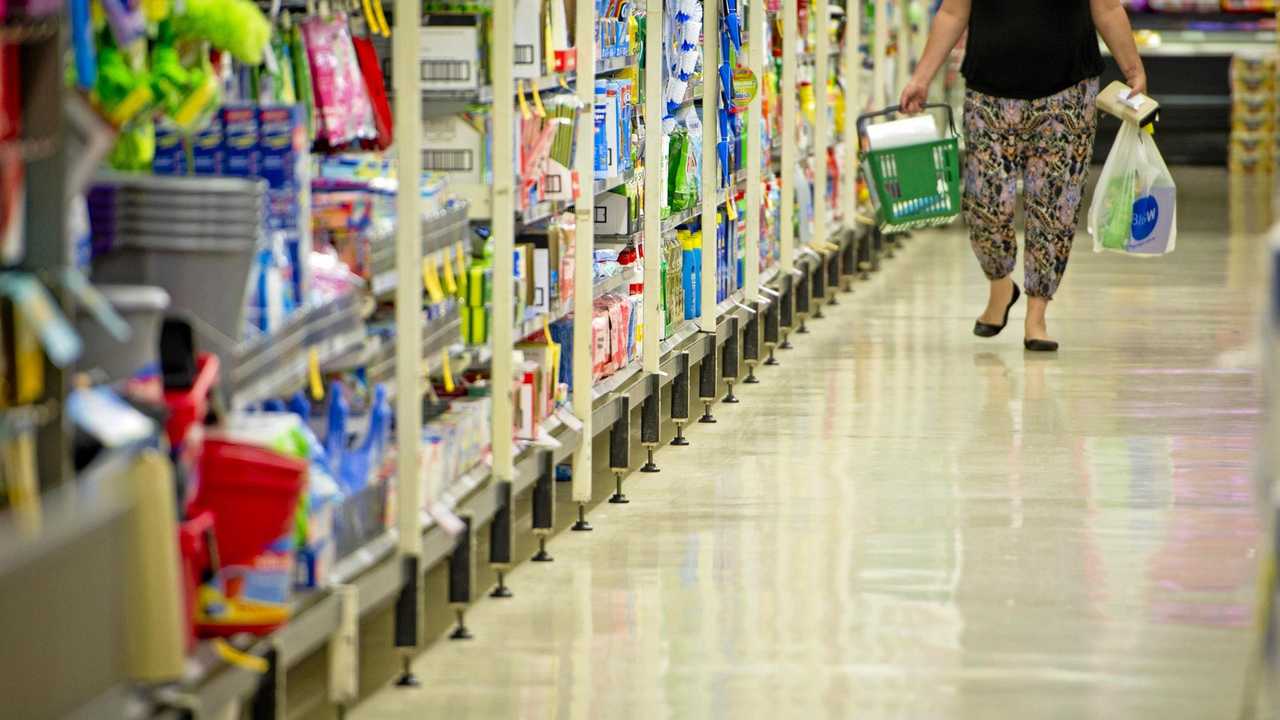
Businesses alerted as mandatory food labelling draws close | Daily Telegraph
Reading food labels to avoid food allergies and intolerances Reading food labels to avoid food allergies and intolerances In Australia all packaged foods must include a food label. Food labelling is governed by Food Standards Australia New Zealand (FSANZ). Nutrition information is found in two places on a food label: the ingredient list and the nutrition information panel. Sample food label

HOW TO READ FOOD LABELS IN AUSTRALIA
PDF how to understand food labels - Eat For Health Food with less than 400mg per 100g are good, and less than 120mg per 100g is best. Ingredients Listed from greatest to smallest by weight. Use this to check the first three ingredients for items high in saturated fat, sodium (salt) or added sugar. Other names for ingredients high in saturated fat: Animal fat/oil, beef fat,
![NUTRITION: READING FOOD LABELS [Australia & New Zealand] | MyCurves On Demand](https://ivcdn2.imgix.net/1982/images/YJiR6zXnTHufpnGy6jbd_1589826575791_Video_307779?ixlib=rb-0.3.4&s=b25b4965cbb7d009701a7d06f11af2de&auto=compress)
NUTRITION: READING FOOD LABELS [Australia & New Zealand] | MyCurves On Demand
Understanding food labels: How to read Australian nutritional panels Under FSANZ rules, these labels must reveal how much of the following is in the product: Energy (in kilojoules or both kilojoules and calories) Protein Fat Saturated fat Carbohydrates Sugars Sodium (salt) These contents must show average amount per 100g (or 100ml for liquids) and per serving. A breakdown of what's on nutrition labels
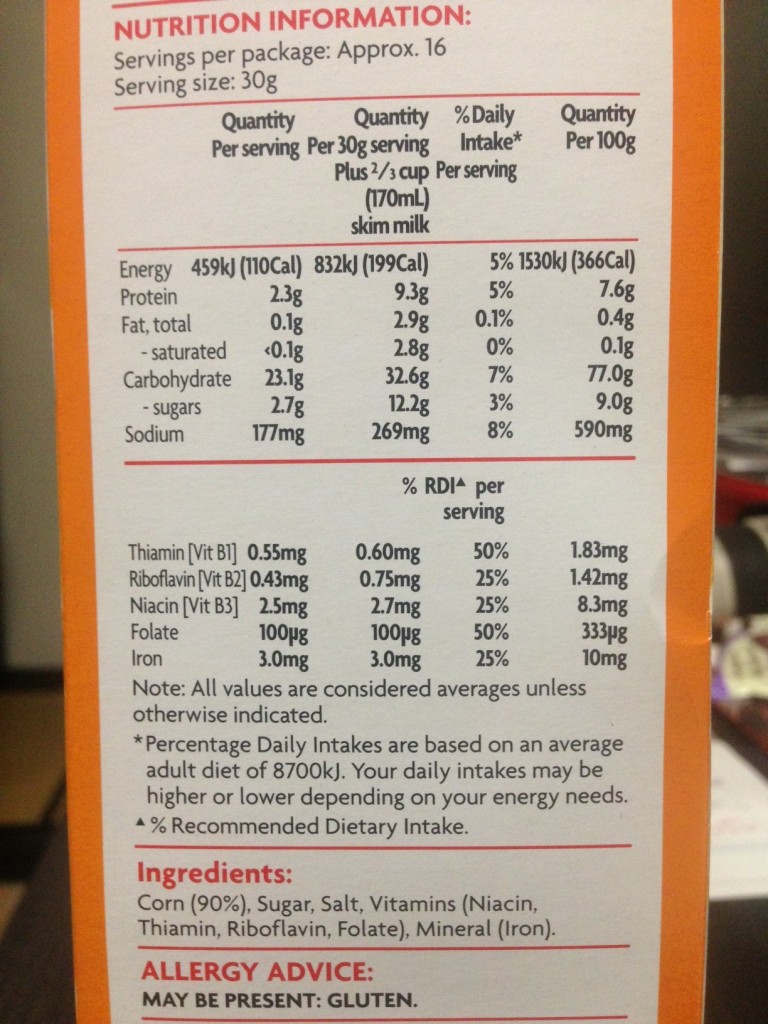
Looking at Labels | No Fructose
Food labels: How to read and decipher the fine print - ABC News Labels must show the name of the food, the business address and the batch or lot identification of the food. The regulator is specific here. This yoghurt would have to be called "strawberry-flavoured yoghurt" if it didn't contain any real fruit. 4. Allergy and intolerance information

Australian Food Labels - Food Ideas
Dairy-Free: How to read food labels - thedietitian If you are dairy free, reading labels is a must. It would be easier if by law Australian companies had to have a clear allergen statement- but this is not the case. ... Dairy-Free: How to read food labels. Updated: Jun 4, 2021. If you are dairy-free, reading labels is a must. It would be easier if by law Australian companies had to have a clear ...

Chapter 3 – Collecting and providing relevant consumer information
How to Read Food Labels - Dr Lockie's Blog Both labels have a second column telling you how much sugar is in 100g of their cereal, allowing you to compare products easily. When you do this, it's instantly clear that Cereal A has 16.7g sugar per 100g and Cereal B has 21.1g. Be vigilant about how many servings you're eating.

31 Nutrition Label Reading Activity
Understanding food labels fact sheet - NDSS Food labels will typically include a nutrition information panel, list of ingredients, the 'use by' or 'best before' date and identify potential food allergens and additives. Food labels also tell you the amount of carbohydrates (carbs) you eat and drink. This can help you manage your blood glucose levels.

Pregnancy warning labels on alcohol to be mandatory in Australia and NZ - The Drinks Business
Food labelling FAQs | ACCC The Country of Origin Food Labelling Information Standard (Standard) commenced on 1 July 2016. The Standard establishes a new system for the country of origin labelling of food products sold in Australia. Businesses have up to two years to transition to the labelling requirements set out in the Standard. During the transition period, businesses ...

How To Read Nutrition Labels - Spokes Nutrition
Reading food labels - Food Allergy Education How to read food labels that meet the new PEAL law Under the new PEAL law, common food allergens are to be listed with the plain English name alongside the actual ingredient name. This is shown in the label example below. In the statement of ingredients, declarations must: Be in bold font. Have bold font contrasting distinctly with other text.

What Ingredients are Found In Ham? - Eat Like No One Else

Allergen labelling
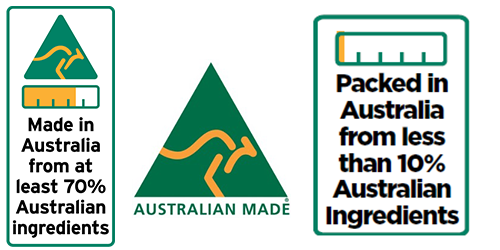
Protecting - Made in Australia – changes to food label requirements now mandatory
Where to order KFC delivery online and get $10 off | Finder
Post a Comment for "39 how to read australian food labels"